Worn to the Bone: What Six Months of British Pavement Did to My Shoe Soles
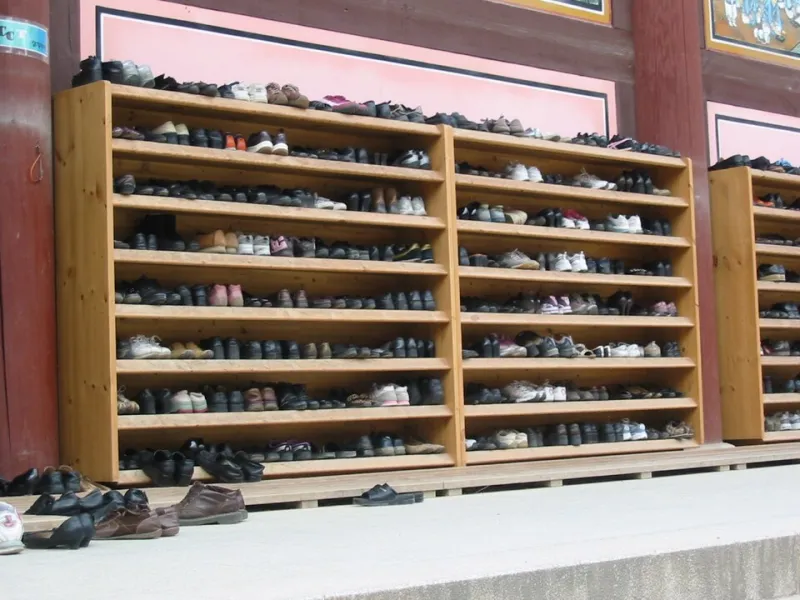
Photo: Wolfmann, CC BY 4.0, via Wikimedia Commons
Every pair of shoes tells you something, if you're willing to look at the bottom of them. Most of us aren't. We check scuffs on the toe, a loose thread on the stitching, but the sole — the bit actually doing all the work — gets ignored until we're skating across a wet high street in November.
So I did something a bit odd. For six months, I photographed the soles of four different pairs of shoes every Friday, all worn on the same commute: a fifteen-minute walk to the station, a change at a busy interchange with more stairs than anyone reasonably needs, and a cobbled stretch past the market on the way home. Here's what half a year of British pavement taught me.
The Contenders
Four pairs, four very different soles:
- Leather-soled derby shoes — the classic office pair, slick and handsome out of the box
- Rubber-soled trainers — everyday workhorses with a flat, grippy outsole
- Commando-soled boots — chunky lugged rubber, the kind you see on every Chelsea boot going
- Moulded walking-style soles — the ergonomic, sculpted sort you find on comfort-focused brands
Same route, same weather, same slightly rushed walking pace. Let's get into it.
Leather: Beautiful, and Beautifully Quick to Give Up
By week six, the leather soles had developed a shine on the ball of the foot that looked almost deliberate — a burnished patina that cobbles and concrete polished with every step. By month three, the heel edge was visibly rounding off, and the infamous problem appeared: the leather wearing through at the heel in a neat little circle, right down to the welt.
The verdict? Leather soles are a treat, not a tool. They breathe, they mould to your foot, they look superb with tailoring. But on wet British pavements, they're like ice skates with delusions. If you're set on leather soles, budget for a rubber top piece from the cobbler — around £15–25 — and you get the best of both worlds. Unprotected leather on a daily commute? Expect a resole inside a year.
Flat Rubber: The Honest All-Rounder
The trainers were the surprise. Flat rubber outsoles have a reputation for being basic, but the wear pattern was remarkably even — a gentle smoothing across the ball and heel, with the tread still legible at the six-month mark. Grip on wet paving slabs was decent, if not inspiring. The one weak spot was painted surfaces: that glossy yellow line on the platform, metal grates, those shiny tactile tiles at crossings. Flat rubber and rain don't mix well there.
If your commute is mostly straightforward pavements and you're not clattering through forests or building sites, a decent flat rubber sole with a visible tread pattern is genuinely all you need.
Commando: The Grip King With a Cost
The lugged commando sole was, unsurprisingly, brilliant in the wet. Deep rubber lugs bite into puddles and grip painted surfaces far better than flat rubber, and they shed water rather than aquaplaning on it. After six months, the lugs at the heel showed rounding at the edges but plenty of depth left — this sole will comfortably outlast the others by years.
The catch? Noise and weight. That satisfying clack on tiles gets less satisfying at 7am in a quiet carriage, and you feel every gram by the end of the day. Commando soles also wear unevenly if you walk on the outside of your foot — more on that in a moment.
Moulded Soles: Comfort Now, Questions Later
The moulded sole was the divisive one. Comfort-wise, nothing came close — the sculpted arch and cushioned heel made the cobbled stretch genuinely pleasant. But the soft compound that makes them comfortable also makes them wearable. Six months in, the tread at the heel was noticeably smoothed, and the soft rubber had picked up nicks from kerbs that the harder soles shrugged off.
These are brilliant shoes wearing down like brilliant shoes do. If you love them, look for brands that offer resole or refurbishment services — several comfort brands do — because the uppers will likely outlive the soles.
The Wear Pattern That Should Worry You
Here's the genuinely useful bit. Uneven wear isn't just cosmetic — it's your shoes telling you something. If one heel wears down on the outside edge significantly faster than the other, or the ball of the foot wears through on one side only, that's usually a gait thing: how you walk, possibly an old injury, possibly just habit.
Caught early, it's fixable. A cobbler can add a heel wedge or half-sole to rebalance things, and a podiatrist can sort the underlying cause. Ignored, uneven wear doesn't just kill the shoe — it tips your posture off-kilter for months. The diary habit is worth keeping for this alone: photograph your soles once a month and you'll spot trouble long before your knees do.
So What Should You Buy?
After six months of looking at the bottom of my own shoes rather more than is normal, my advice is simple:
- Mostly pavements, mixed weather? Flat or lightly treaded rubber. Reliable, even-wearing, sensibly priced.
- Wet commutes, cobbles, canal paths? Commando or lugged soles, no contest.
- Desk job, suits, short walks? Leather soles with a rubber top piece fitted from day one.
- Long days on your feet? Moulded soles, but buy from somewhere that can resole them.
The pavement is the most honest product tester in Britain. It doesn't care about marketing or influencer posts — it just wears your shoes down and shows you the truth. All you have to do is flip them over occasionally and have a look.