Your Shoe Rack Needs a Calendar: Building a Four-Season Rotation That Survives British Weather
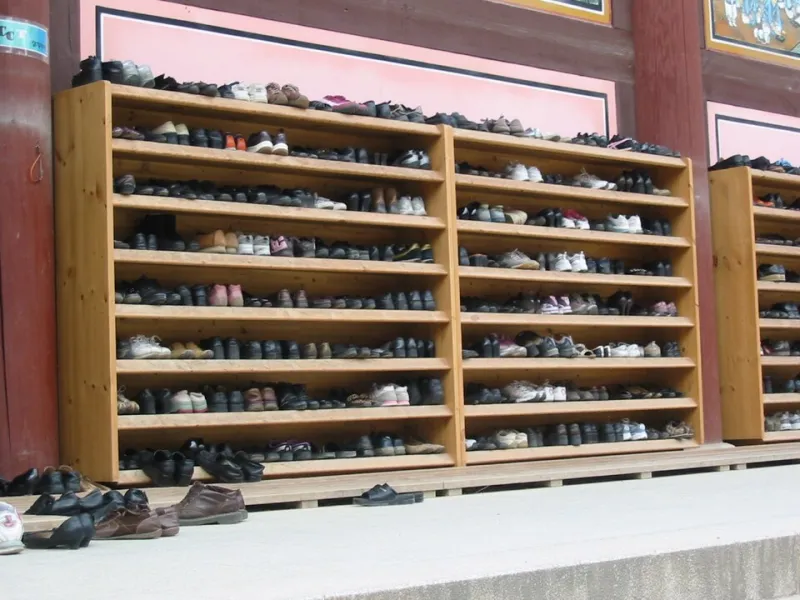
Photo: Patrick W., CC BY 2.0, via Wikimedia Commons
There's a particular kind of heartbreak in pulling out your favourite suede boots in October only to find them speckled with mould from a summer spent in a damp hallway cupboard. We've all been there. The truth is, most of us own the right shoes for every season — we just don't rotate them properly.
A shoe rotation isn't about buying more. It's about giving each pair its moment, then giving it a proper rest. Do it right, and your footwear lasts years longer. Do it wrong, and you're resoling (or binning) far more often than you should.
Why Rotation Matters More in Britain
Anywhere else, seasons are polite. Here, a Tuesday in April can throw hail, sunshine and a sideways downpour at you before lunch. Our shoes take a proper battering: road salt from January gritters, persistent drizzle from March to May, festival fields in summer, and those treacherous wet leaves that turn every pavement into an ice rink come October.
Each of these conditions demands different materials, different soles and different care. Rotating your rack seasonally means the right shoe is always on duty — and the delicate ones stay safely tucked away.
The Month-by-Month Plan
January – February: Salt and Grit Season. Your rugged leather boots and waterproof pairs should be front and centre. Wipe them down weekly — road salt stains leather fast. Keep a cheap pair of chunky-soled boots for icy days; your nice ones deserve better than black ice.
March – April: The Great Unpredictability. Keep waterproofs handy but start easing in lighter options like leather trainers. This is also the ideal time for a cobbler trip — get winter boots resoled and re-heeled while you won't miss them.
May – June: The Handover. Loafers, canvas plimsolls and lighter trainers come out of storage. Give everything a conditioning treatment after its winter hibernation.
July – August: Bare Ankles, Beware. Sandals, espadrilles and canvas take over. But keep one closed-toe option reachable — a British summer can turn in an afternoon, and festival fields are a mud lottery.
September – October: Autumn Armour. Boots return. Check the soles on anything with smooth leather bottoms — wet leaves and slick pavements are genuinely dangerous. Add a rubber sole guard if needed.
November – December: Full Winter Kit. Bring out the heavy artillery: lined boots, weatherproofed leather, proper grip. Now's the time to re-proof everything before the frost properly sets in.
Storing Off-Season Shoes So They Actually Survive
This is where most of us go wrong. Shoes stuffed into bin bags or crammed into a damp cupboard come out worse for wear. A few simple habits make all the difference:
- Clean before storing. Salt, mud and rain residue eat materials over months. A five-minute wipe-down now saves a restoration job later.
- Use shoe trees or stuffed newspaper to hold shape, especially for leather boots and brogues.
- Breathable storage only. Cotton dust bags or the original boxes with lids ajar. Never sealed plastic — trapped moisture means mould.
- Choose a dry, temperate spot. An airing cupboard or under-bed storage beats a garage or porch, which swing between damp and freezing.
- Condition leather before its rest. Think of it as moisturiser before a long sleep.
The One Rule Worth Breaking
Don't be a slave to the calendar. If May is freezing and horizontal, wear the boots. If October throws an Indian summer, enjoy the sandals. The rotation is a guideline, not a uniform — the point is that when the weather does turn, the right pair is ready and waiting, not buried under a pile of Christmas wrapping paper.
Build the habit now, and by this time next year you'll wonder how you ever coped with a shoe rack in chaos. Your feet — and your cobbler — will thank you.