Ten Shoes, One Hosepipe: We Soaked Our Way Through the Worst of British Weather
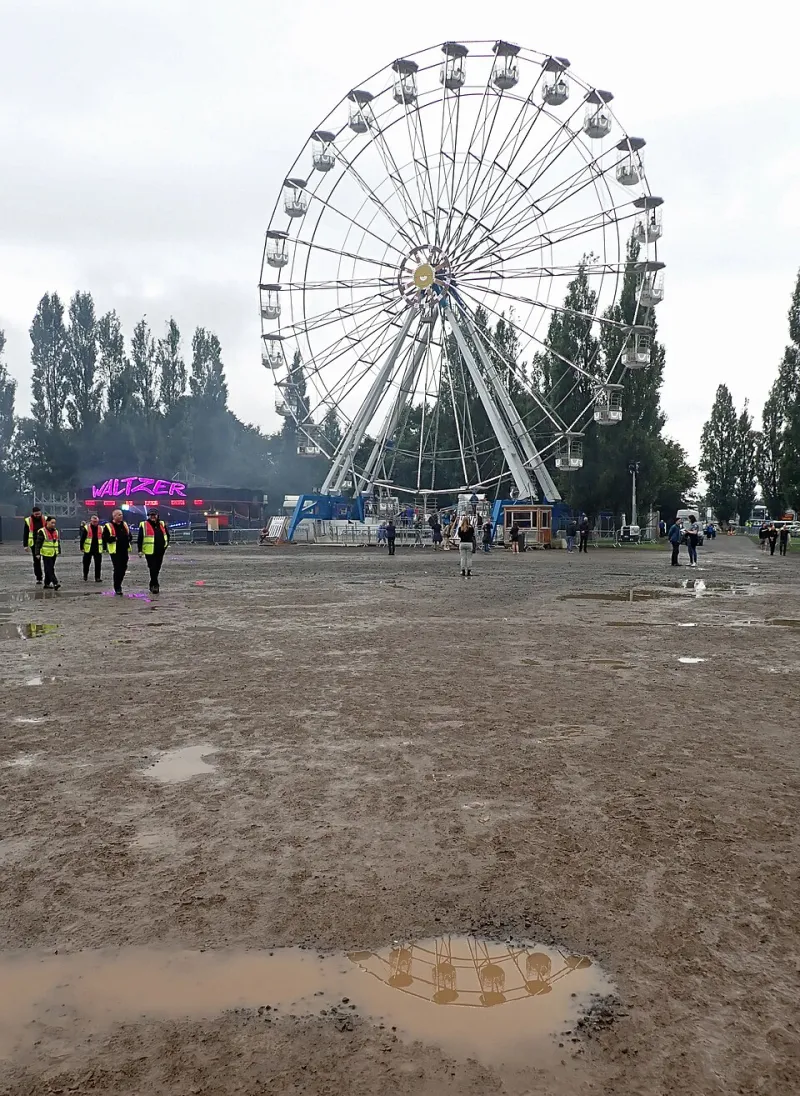
Photo: Conall from Downpatrick, Northern Ireland, CC BY 2.0, via Wikimedia Commons
The Met Office promised 'scattered showers'. What arrived was a biblical, sideways, umbrella-inverting deluge that turned the walk from the bus stop into a wading exercise. Sound familiar? Rather than just moaning about it for the fourteenth consecutive summer, we decided to do something useful: line up ten popular shoe styles, give them a proper soaking, and rank them from 'feet like raisins' to 'didn't even notice it was raining'.
Our methodology was gloriously unscientific but consistent. Each pair endured a two-minute hose spray, a thirty-second stand in a 3cm-deep puddle tray, and a brisk 500-step walk on wet pavement. We then checked sock dampness, sole grip, and whether anything creaked, warped or peeled. Socks were weighed before and after, because we are nothing if not thorough.
The Contenders
We tested: canvas plimsolls, suede desert boots, leather brogues, rubber wellies, trail runners, mesh running trainers, leather Chelsea boots, suede loafers, waterproof hiking shoes, and a pair of cheap PVC 'festival' boots from a well-known high street chemist.
The Disasters
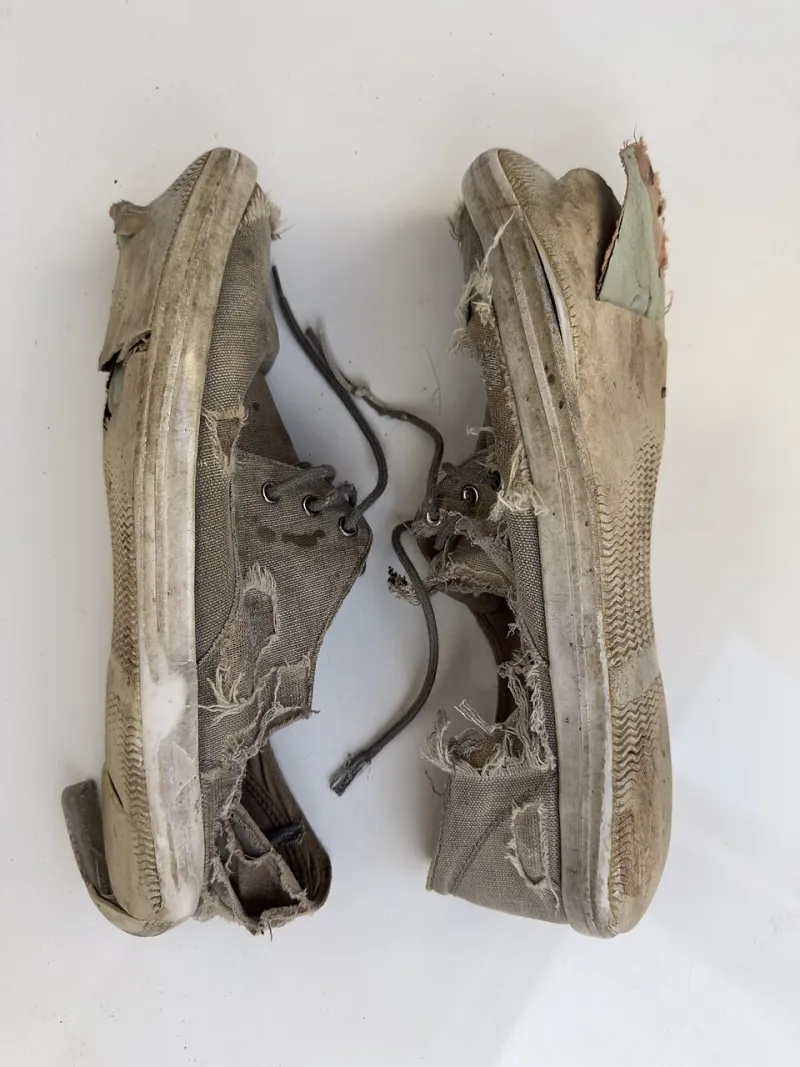
Canvas plimsolls came dead last, and it wasn't close. Within thirty seconds of the hose they were saturated, and the 'puddle test' was really more of a sponge demonstration. By step 200 of the walk they were squelching. Lovely in July, useless in anything resembling weather.
Suede loafers and desert boots fared nearly as badly. Suede and water have a feud older than the Pennines. Beyond the immediate soaking, both pairs emerged with visible water staining and a texture best described as 'heartbroken'. If you must wear suede between October and April, invest in a good protector spray and pray.
Mesh running trainers drained quickly, which sounds like a win until you realise that means water goes in as easily as it comes out. Fine for a drizzle sprint, hopeless for a proper soaking.
The Middle of the Pack
Leather brogues surprised us positively. Quality leather with a decent welt held off water for a good few minutes, though the seams eventually gave up and the toe caps darkened. Treat them with wax regularly and they'll cope with a commute, but they're not storm gear.
Cheap PVC boots kept water out admirably — that's the one thing they do — but the footbed turned into a personal sauna, and the soles were worryingly slick on wet flagstones. Dry feet, bruised tailbone. Choose your fighter.
Leather Chelsea boots performed well, with the elastic gussets being the weak point where water sneaked through. Grip was solid, and they looked better wet than most shoes look dry.
The Winners
Waterproof hiking shoes did exactly what it says on the box, keeping socks bone-dry through the entire ordeal. The only complaint was aesthetic — they look like what they are. Pair them with jeans and nobody will notice.
Trail runners combined near-hiking dryness with trainer comfort, and their grippy outsoles were the best of the bunch on wet pavement. Arguably the most practical all-rounder for a British winter.
And yes, the wellies won on pure waterproofing — not a drop got through. They're hardly an office look, but for the school run, the dog walk and Glastonbury, nothing beats them.
The Takeaway
If you take one thing from our soggy labours, make it this: no single shoe does it all, and the British forecast demands options. A waxed leather boot for dry-but-grey days, a waterproof trainer or hiker for the genuinely wet ones, and a cheap, cheerful pair you don't mind sacrificing to the festival fields. Your socks — and your dignity — will thank you when the next 'scattered showers' roll in.