Stop Calling Them All 'Smart Shoes': A Plain-English Guide to What's Actually on Your Feet

Photo: Rachaelbroussard, CC BY-SA 4.0, via Wikimedia Commons
Walk into any decent shoe shop in Britain and you'll be hit with a wall of jargon. Oxford. Derby. Broguing. Blucher. The assistants say it with such confidence that most of us nod along, hand over our money, and hope for the best.
Here's the thing: the terminology isn't arbitrary. It describes real structural differences that affect how a shoe looks, fits and wears. Once you've got the basics sorted, you'll never accidentally buy the wrong cut again — and you'll spot when a shop is charging premium prices for something that isn't worth it.
Oxford vs Derby: It's All About the Lacing
This is the big one, and it's simpler than it sounds. Look at the front of a laced shoe where the eyelets meet.
On an Oxford, the panel holding the eyelets is stitched under the front of the shoe, so the two sides close up tightly against each other. The result is a sleek, closed, formal silhouette. On a Derby (sometimes called a blucher — more on that in a moment), the eyelet panels sit on top of the front piece, leaving a gap that can open up.
Why does it matter? The open lacing of a Derby is more forgiving. If you've got a high instep or wider feet, a Derby will accommodate you far more comfortably than an Oxford. But that same openness makes it slightly less formal. Rule of thumb: Oxford for weddings, interviews and funerals; Derby for everything else where you still want to look sharp.
Brogues Are a Decoration, Not a Shape
Here's where most people get tangled up. A brogue isn't a shoe style in the same sense as an Oxford or Derby — it's a decoration level. Broguing is the decorative perforations and serrated edges on the leather.
You can have a full brogue (heavily decorated, with a wing-shaped cap), a semi-brogue, a quarter brogue, or a plain shoe with no broguing at all, known as a 'balmoral' in the trade. Traditionally, the more broguing, the less formal the shoe — those perforations were originally drainage holes for Scottish and Irish bogland, which tells you everything about how formal they were meant to be.
So when someone says 'a brogue', they usually mean a heavily decorated Derby. Now you know better.
Monk Straps: The One Without Laces
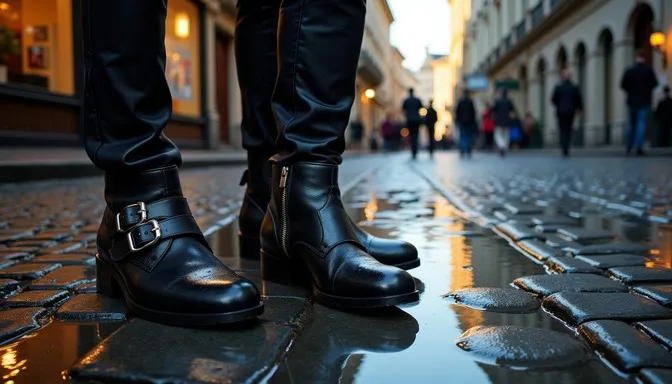
A monk strap swaps laces for a buckle — one strap for the single monk, two for the double. The double monk is having a moment in British menswear because it reads as deliberate without trying too hard. It sits somewhere between an Oxford and a loafer on the formality scale. One warning: cheap monk straps with flimsy buckles look awful fast. If you're buying one, this is the style where spending a bit more genuinely pays off.
Loafers and Chelseas: The Slip-On Family
Loafers come in a few recognisable flavours: the penny loafer (with a slot across the saddle for — historically — a coin), the tassel loafer, and the horsebit style made famous on Italian rivieras but adopted enthusiastically from Mayfair to Manchester. Perfect for smart-casual offices, less ideal for a rainy Tuesday in Glasgow.
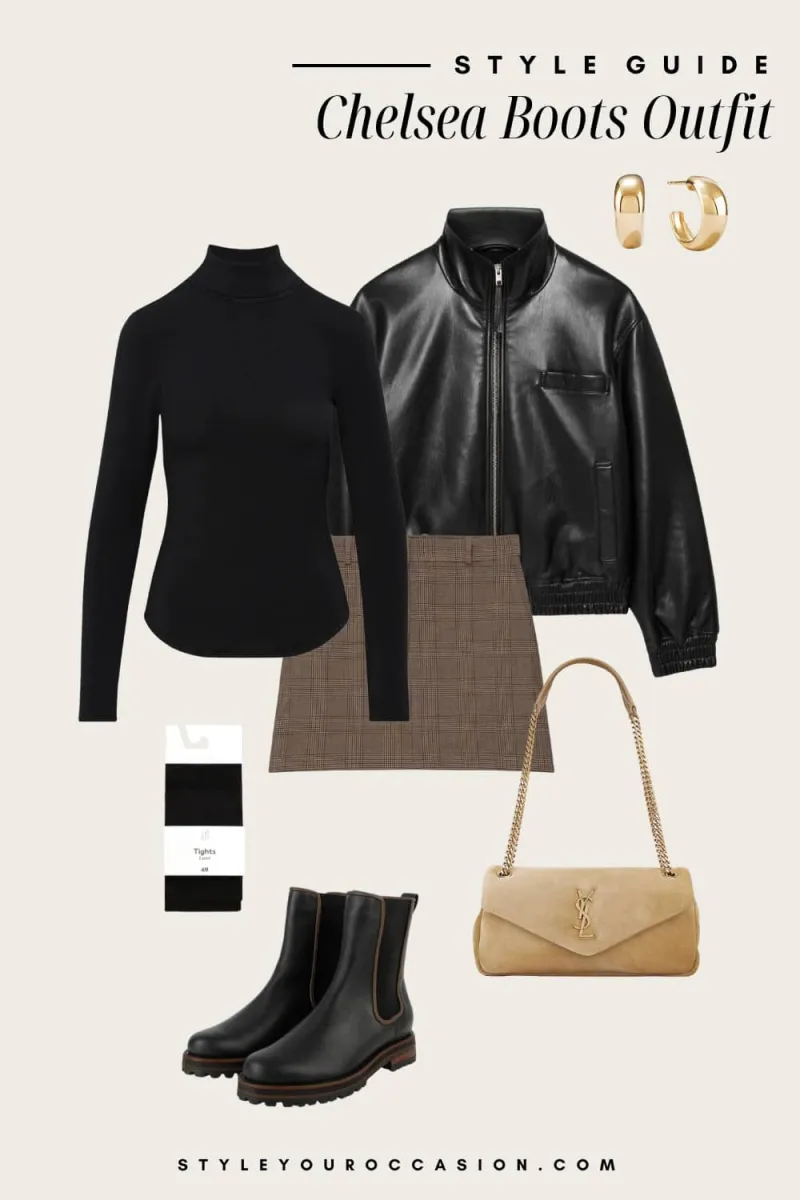
The Chelsea boot needs no introduction on these shores — elastic side panels, a heel loop, and a history running from Victorian inventors through the Beatles to every high street today. It's the most versatile thing you can own in a British wardrobe.
How Not to Overpay
Three quick checks before you part with your cash:
- Construction: A Goodyear-welted shoe (where the sole is stitched, not glued) can be resoled repeatedly and will outlast three or four glued pairs. Expect to pay more upfront and less over time.
- Leather: 'Genuine leather' is a weasel phrase — it can mean heavily corrected, coated material. Full-grain or top-grain leather is what you want.
- The cut: If a shop is charging Oxford prices for a Derby, ask why. Derbies are typically easier to make well.
The Quick Cheat Sheet
- Black plain Oxford: the most formal shoe you can own
- Brown brogued Derby: the workhorse of a British wardrobe
- Double monk: statement piece for smart-casual settings
- Penny loafer: spring and summer's best friend
- Chelsea boot: wear it with everything, always
Learn these five and you'll walk past the jargon, straight to the right shelf.