£8 Resole or £60 New Pair? The Maths Might Surprise You
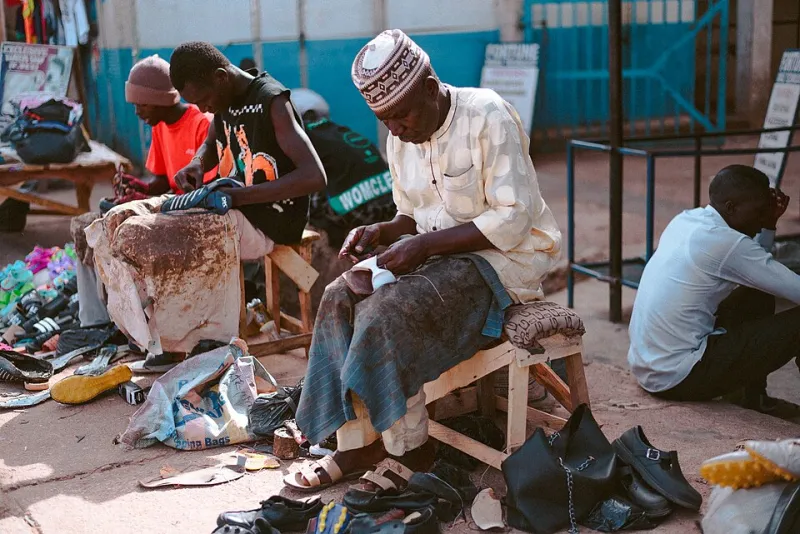
Photo: Jagaesar, CC BY-SA 4.0, via Wikimedia Commons
Here's an uncomfortable truth: most of us spend more on a Friday night takeaway than we'd ever contemplate spending on repairing a pair of shoes. The heel's gone, the sole's peeling, and the default response is to buy a new pair for £45 and bin the old ones. We've been trained to think this way, and I think we've been duped.
Last month I took a pair of battered leather brogues to three different cobblers across the country and asked them the same question: when is a shoe worth saving? Their answers, and the maths behind them, genuinely changed how I shop.
The False Economy of Cheap Shoes
Let's start with the obvious problem. A pair of £30 high-street shoes, worn regularly, typically lasts six to twelve months before the sole wears through or the heel collapses. Over five years, you might buy four or five pairs — £120 to £150 spent, and four or five pairs of shoes in landfill.
Now compare that with a £150 pair of Goodyear-welted shoes. Yes, the upfront cost stings. But a Goodyear welt means the sole can be replaced, again and again, without destroying the shoe. A resole costs between £30 and £50 at most UK cobblers. Over the same five years, you might resole twice: total spend around £210, except you're still wearing a shoe that fits you perfectly and has moulded to your foot. Stretch that to ten years and the quality pair wins outright.
The catch, of course, is that cheap shoes aren't designed to be repaired. Glued construction means a cobbler often can't even save them. As one cobbler in Sheffield put it to me bluntly: "If it's glued, it's usually gone."
When Repairing Makes Sense
All three cobblers I spoke to agreed on which shoes deserve saving:
- Goodyear-welted or stitched construction — always repairable, always worth it
- Leather-soled dress shoes — a resole is routine and transformative
- Expensive boots — anything over £100 should really be maintained, not binned
- Sentimental pairs — wedding shoes, a father's old brogues. No maths needed
The repairs worth doing are the basics: resoling (£30–£50), heel replacements (£10–£20), and stretch or minor leather work (£15–£25). A full overhaul of a beloved pair rarely tops £70 — less than most of us would spend on a new mid-range pair.
When to Let Go
I went in expecting a sustainability sermon. What I got instead was pragmatism. All three cobblers told me they regularly turn work away, because some shoes simply aren't worth the repair fee. If the upper leather is cracked through, if the shoe cost less than the repair would, or if the stitching inside has rotted, you're pouring money into a lost cause. One cobbler in Bristol told me she refuses repairs on shoes she calls "bin-bound" — and she'd rather be honest than take your money.
There's also a comfort dimension people ignore. A shoe that's been resoled three times and sat in a damp hallway for years can lose its shape and support. At some point, you're repairing the memory of a good shoe rather than the shoe itself.
My Honest Take
I used to think shoe repair was something my granddad did because he had to. Now I think it's something we've stopped doing because we can — and the environment, our wallets, and frankly our feet are worse off for it. Not every shoe deserves saving; the £25 pair with a flapping sole should go without ceremony. But the good pair, the one that fits like it was made for you? Take it to your local cobbler before you reach for your debit card. Eight quid for a heel, versus sixty for a new pair that won't last the winter. The maths isn't close.